Comparing Public Chat Rooms and Private Group Chats: Which Suits You?
October 05, 2026 - Group Chats

October 03, 2026 - Community
The first wave of UK town forums arrived with dial-up and faded as everyone moved to the big social networks. Something smaller is growing back. Chat rooms built around a single street, estate, village or town are filling up again, and they are not trying to be a national platform. They are just a room full of people who can see the same pothole you can.
There is no single format. It might be a server for one town, a chat box bolted onto a residents' association website, a private room inside a larger chat site, or a group built around a single postcode. The details vary; the shape is consistent.
A local chat room is live rather than scheduled, sorted by place rather than interest, and small enough that people recognise each other's usernames. Most have a handful of rules pinned at the top, one or two moderators, and a membership measured in dozens or low hundreds rather than thousands. That scale is the point, not a limitation.
National networks did the obvious things better: reach, photos, sharing a post with relatives three counties away. What they never did well was geography. A question about a road closure competes with adverts, news and whatever an algorithm has decided is more engaging. In a town group of several thousand members, the same question can be buried within the hour.
The comeback is less about technology than fatigue. Group chats fill up with notifications, hit membership limits, and quietly turn into a second job for whoever set them up. Meanwhile, the people who once ran the old town forums have realised they missed something specific: a place where the audience is small, known and nearby.
A dedicated local room answers a narrower need and does it in real time. You ask about the water pressure and someone two streets over replies before the kettle has boiled.
These rooms earn their place by being useful on a Tuesday, not by being entertaining. The threads that keep people coming back tend to be mundane:
Notice what is missing from that list. No national arguments, no viral clips, nothing that a search engine could have answered in ten seconds.
The rooms that last are usually the ones with dull, sensible rules and moderators willing to enforce them without drama.
Real names or nicknames both work; consistency matters more. What does not work is publishing things that should stay private. Never post a full address, holiday dates, a child's school or walking route, or a photo with a legible number plate. Screenshots travel. A message meant for forty neighbours can be somewhere else entirely by lunchtime.
When a thread turns to money, legal trouble or a health worry, treat it as a starting point rather than advice, and speak to a qualified professional before acting on it. A recommendation is not a guarantee either: check that a trader is insured, ask for a written quote, and be wary of anyone requesting a large cash deposit up front.
Moderation is the unglamorous part. Two or three moderators, a clear way to report a post, and a habit of dealing with disputes privately will carry a room further than any clever feature. Remove quietly, explain briefly, and do not conduct the argument in public.
Find one room covering your postcode and join it. Spend the first week reading rather than posting; you will quickly learn who the useful voices are and which subjects set people off. Then introduce yourself with your street and one thing you can offer — a spare parking space, a van for tip runs, or simply knowing which café does the best breakfast.
Answer one question a week. That is genuinely the whole trick: local rooms live on small reciprocations. If nothing exists near you, start the smallest version possible with a few neighbours and a single useful post. Keep your personal details out of the open threads, report problems rather than retaliating, and let newcomers settle in before you expect them to talk. A good local chat room should feel less like a social network and more like a neighbour leaning over the fence.
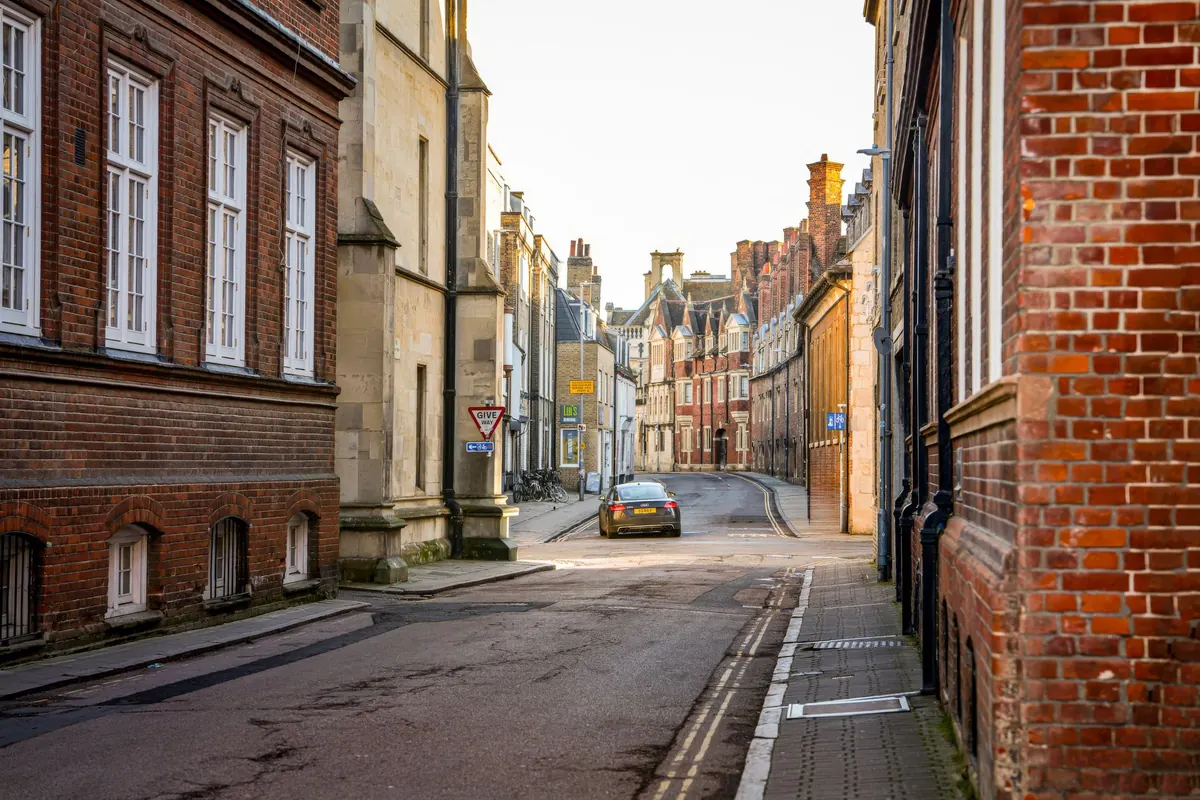
Photo: Cara Denison / Pexels
Public rooms are fast, open and easy to find; private groups are smaller, calmer and easier to control. Here's how...

A practical guide to keeping online chat rooms healthy: rules people understand, moderation tools used with...
Copyright © 2026 Mesa Chat. All Right Reserved.